- annual energy use
- ≈141 GWh
- savings measures
- 19
- blended payback
- ≈3.1 yrs
- CO₂e avoided per year
- ≈4,800 t
The challenge
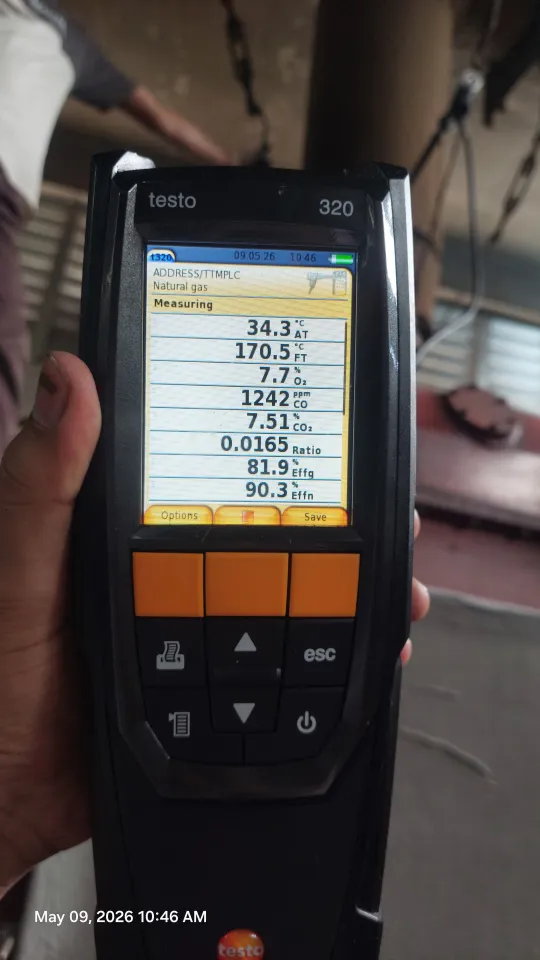
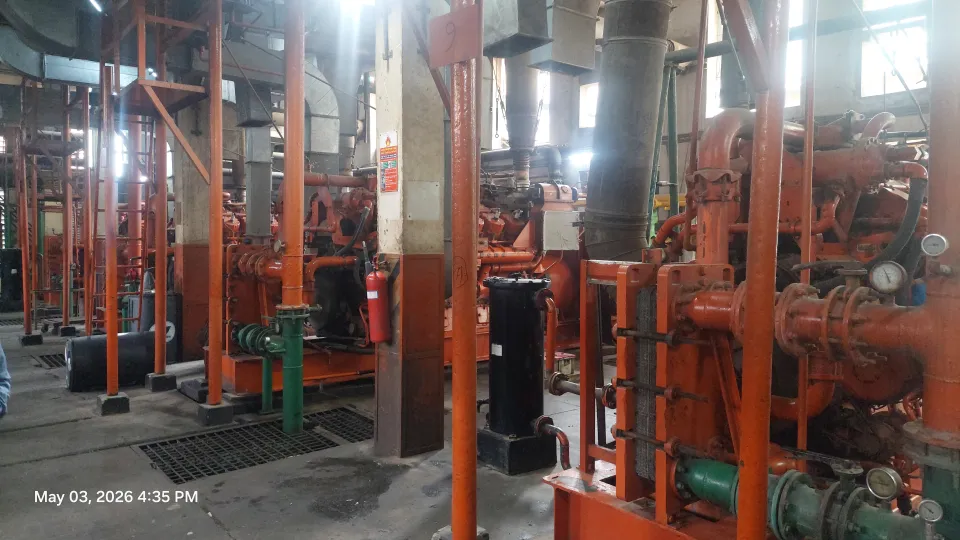
The mill uses about 141 GWh of energy a year, 99% of it gas burned in nine captive gensets. The engines were running at about 37% electrical efficiency with no waste-heat recovery and no sub-metering, so the plant could not see where its energy went.
Our approach
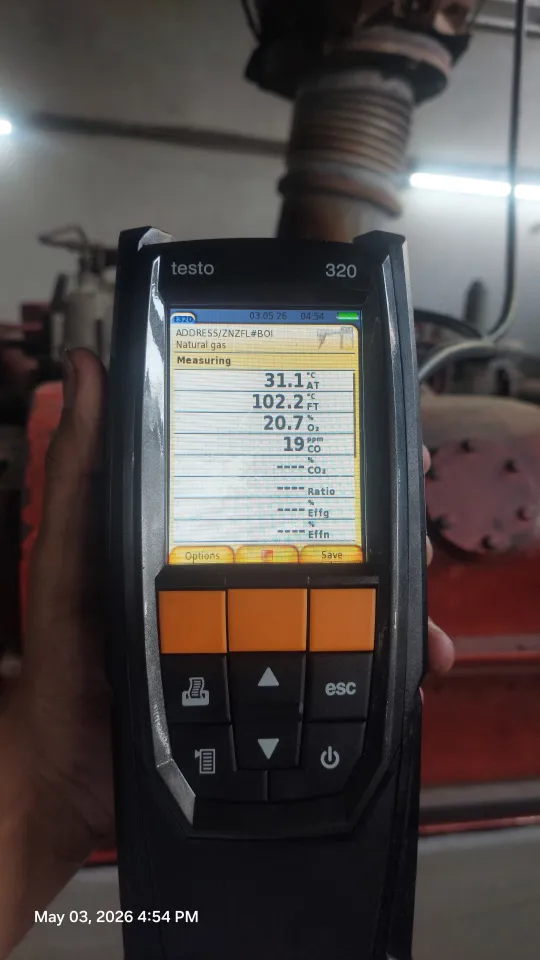
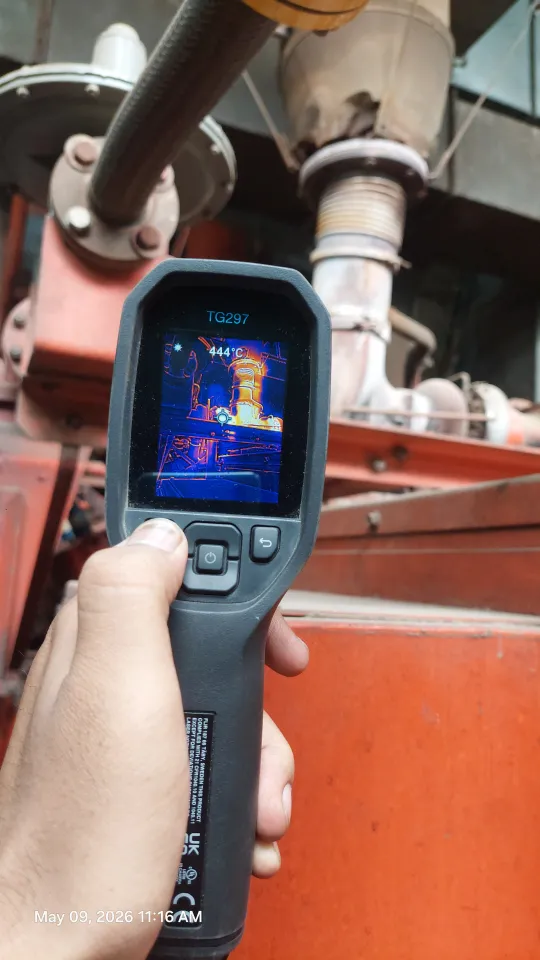
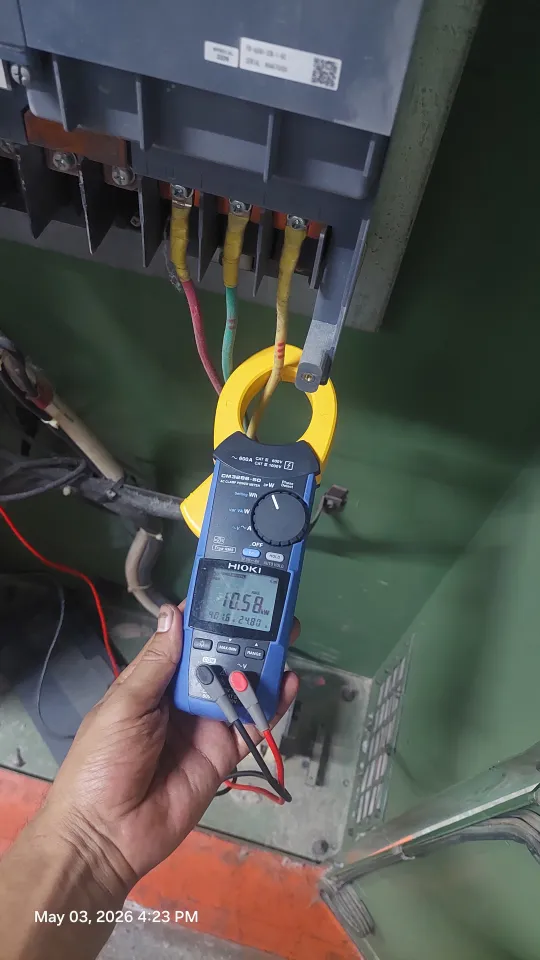
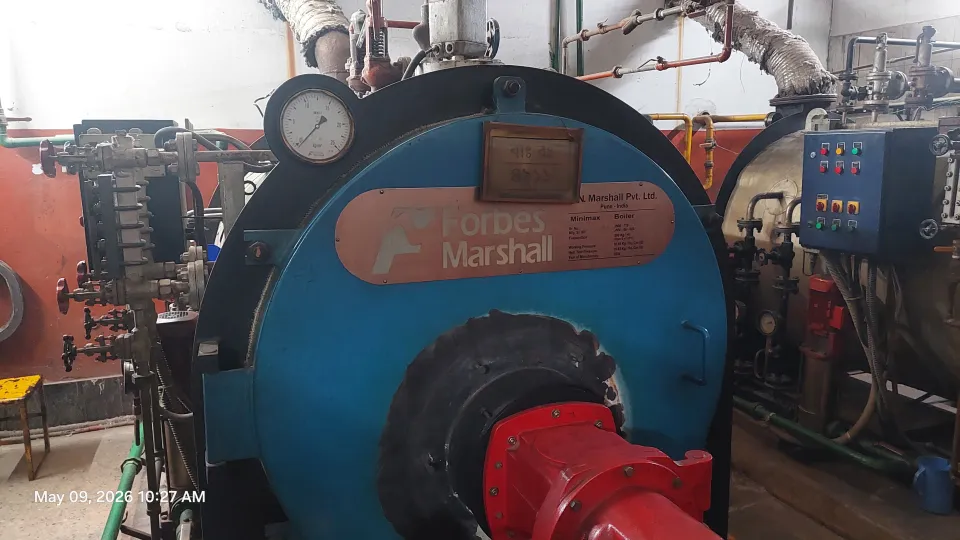
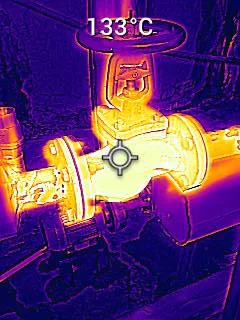
The audit followed the SREDA Energy Audit Regulation 2023 and its Form-8 report. Our team analysed the flue gas of all nine gensets, built a motor inventory against IEC 60034-30 efficiency classes, and reviewed energy management against ISO 50001. Field work used a power and harmonic analyser, an ultrasonic flow meter, lux meter, anemometer and FLIR thermal camera; exhaust temperatures were recorded at about 383–424 °C.
The result
The audit identified 19 measures with a blended payback of about 3.1 years and about 4,800 tonnes of CO₂e avoided a year. The largest were jacket-water heat recovery from the gensets and an ISO 50001 energy management system with sub-metering to track results.
Why it matters
A gas engine that converts about 37% of its fuel into electricity sends most of the rest out as heat, through the exhaust and the jacket water. In a mill that also needs heat and cooling, recovering it is usually the largest single saving available. Without sub-metering, though, a plant cannot see which department uses what, or prove later that a measure worked.
What we recommended
The 19 measures were ranked by saving and payback. The largest were recovering jacket-water heat from the gensets and setting up an ISO 50001 energy management system, with sub-metering, so that results can be tracked and reported year after year.
Is your site a SREDA designated consumer?
We prepare the audit in the Form-8 format.
On site