
Findings your maintenance team can act on
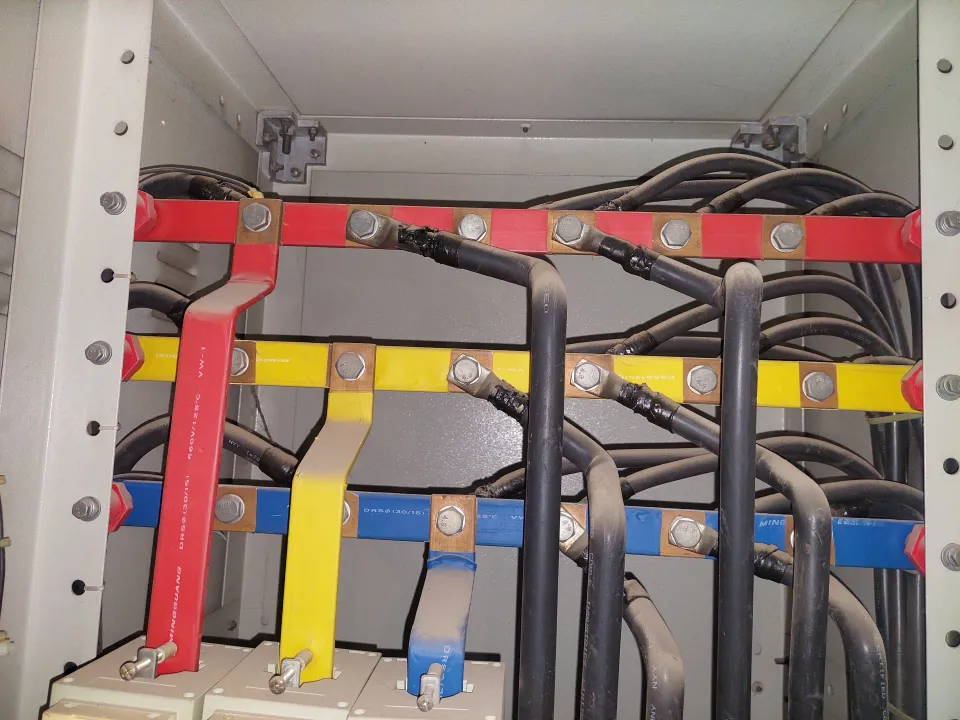
A safety assessment is only useful if the findings are specific. Each of ours names the board, the breaker or the earth pit, says how serious the problem is, and says what to do about it. Our engineers go through the installation checkpoint by checkpoint and photograph every non-conformity.
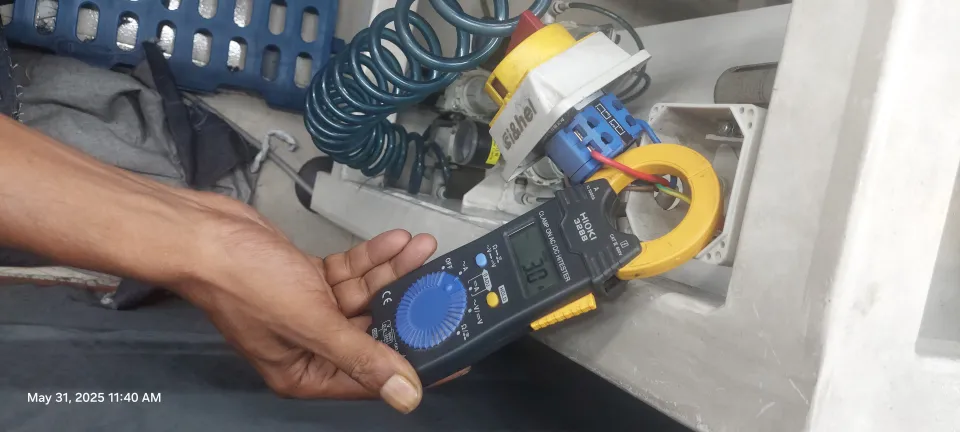
The visual inspection is backed by instrument tests, because the most dangerous faults are the ones you cannot see: a termination running hot, an earth that no longer meets the limit, insulation that has started to break down.
From a recent assessment
- checkpoints inspected at a testing laboratory in Ashulia
- 74
- very-high and high-risk findings ranked for action
- 26
- generator earth measured against a 1 Ω limit
- 3.4 Ω
- thermal hot spots found in panels and terminations
- 7
What a first assessment usually finds
In first-time assessments, a large share of checkpoints is typically non-compliant. The same gaps appear again and again:
- No up-to-date single-line diagram, so nobody is sure how the installation is protected
- Earth pits above the 1 Ω limit at the substation or generator
- No residual-current protection in wet areas
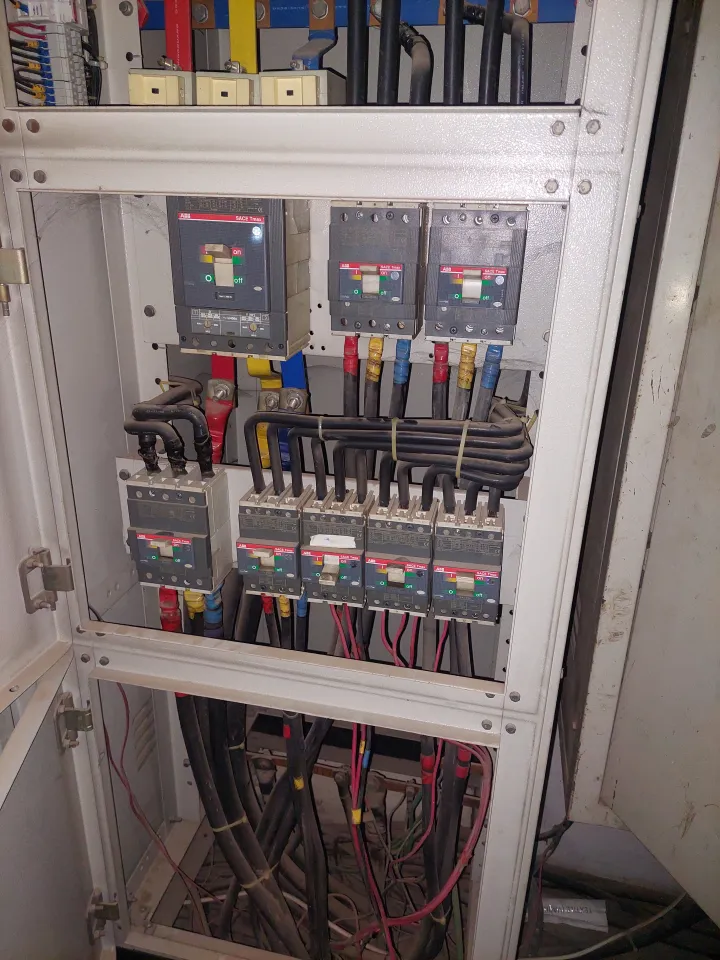
- Loose or overheated terminations that only thermography reveals
- Breakers larger than the cables they are meant to protect
- Unmanaged cable bundles in trenches and risers
- No record of maintenance or periodic testing
How an assessment runs
-
Step 1
Documents
Single-line diagram, earlier reports and any test records. If there is no diagram, that becomes the first finding.
-
Step 2
Inspection
Substation, generators, changeover, boards, cabling and housekeeping, against a checkpoint register based on BNBC 2020 and NFPA 70.
-
Step 3
Instrument tests
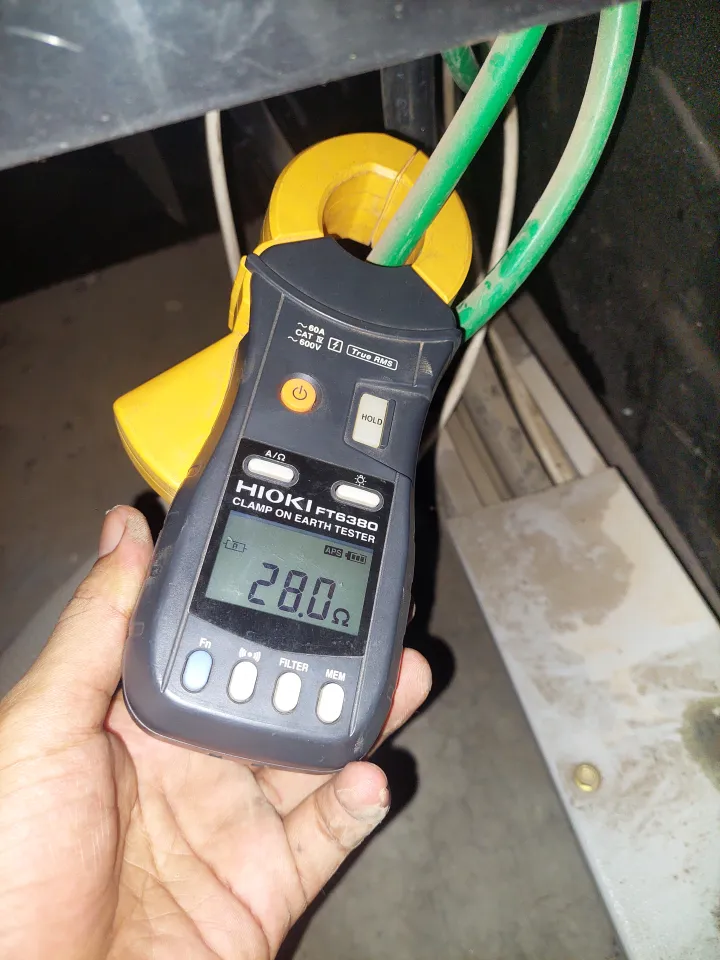
Thermography under normal load, clamp-on earth resistance tests with the system running, and insulation tests on isolated circuits.
-
Step 4
Report and close-out
Findings ranked Very High to Low with photos and corrective actions. After corrections we retest, so the plan closes with evidence.
Accord, RSC and BNBC
Our engineers have carried out electrical safety assessments, fire safety audits with evacuation plans, and structural integrity assessments for garment factories working towards Accord and RSC compliance, as well as periodic earthing tests for institutional buildings against BNBC 2020.
Instruments
FLIR TG297 thermal camera, Hioki FT6380 clamp-on earth tester, PROVA 6830A and Hioki PW3360-20 power-quality analysers, and insulation-resistance testers.