- less energy than conventional
- ≈51%
- saved per year
- ≈36 TOE
- CO₂ avoided per year
- ≈100 t
- payback
- ≈3 yrs
The challenge
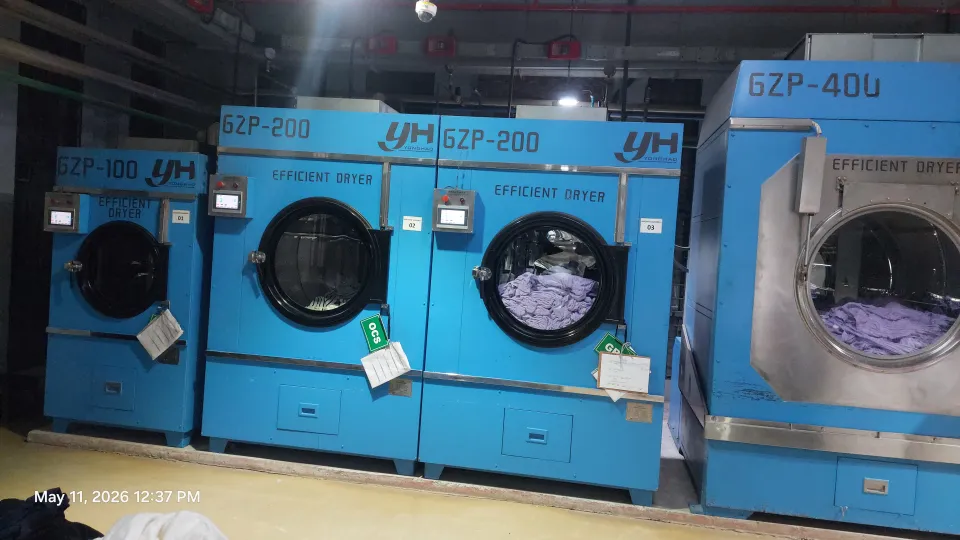
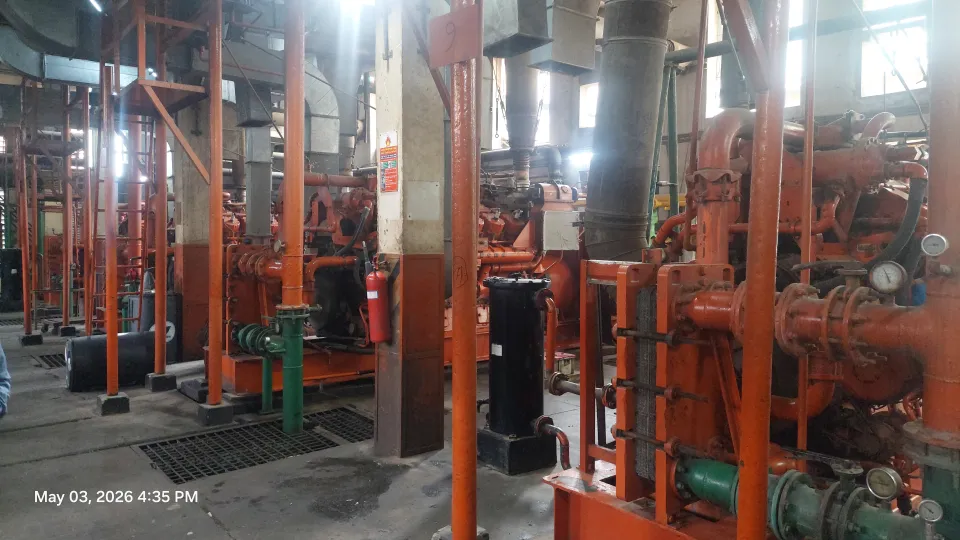
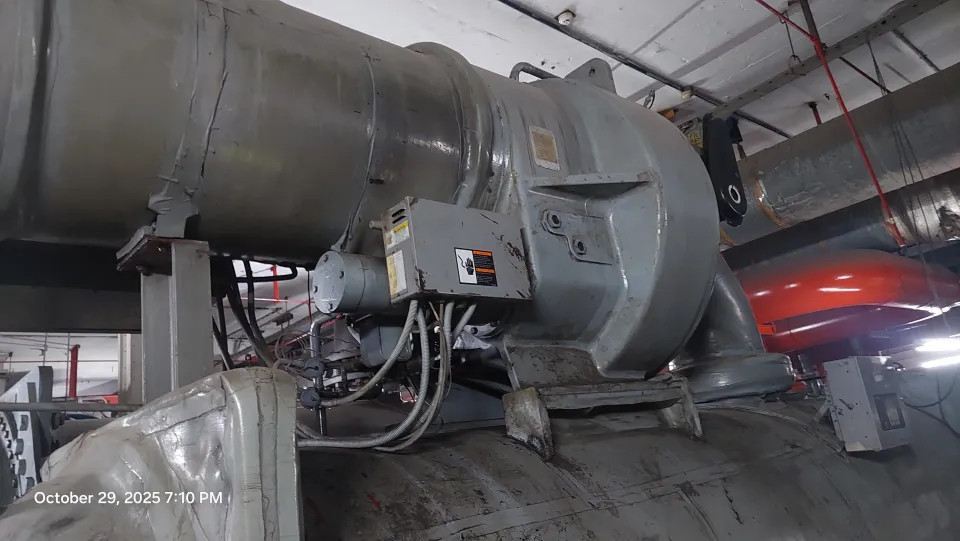
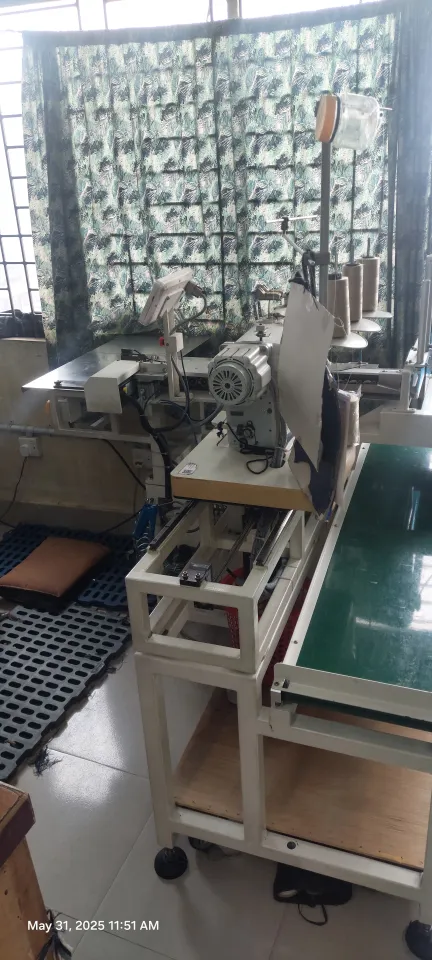
The factory had invested in efficient sewing and finishing machines through LC financing, and needed the savings verified against conventional equipment before the financing could be confirmed.
Our approach
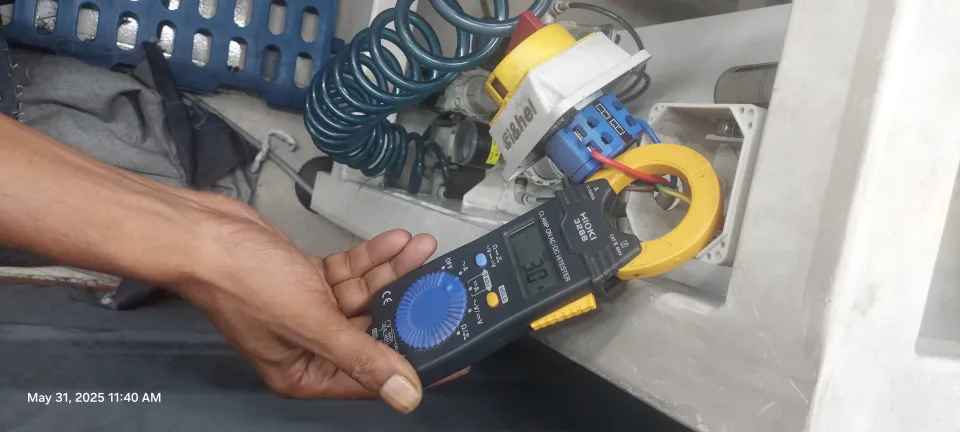
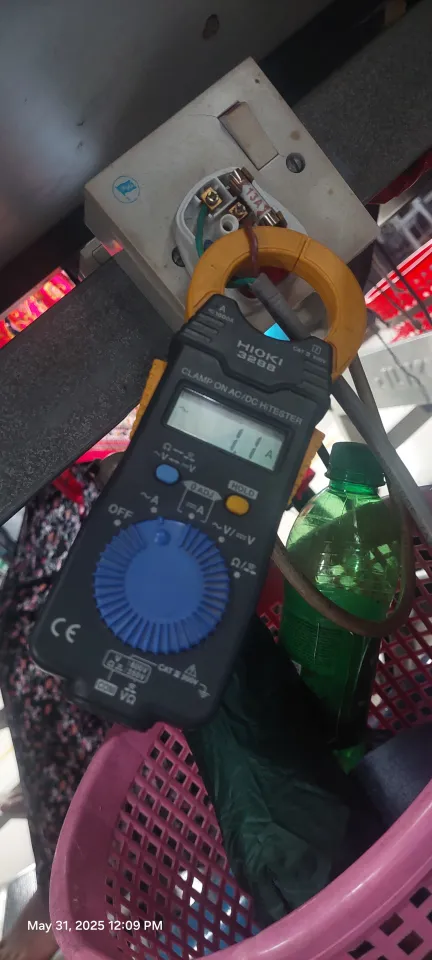
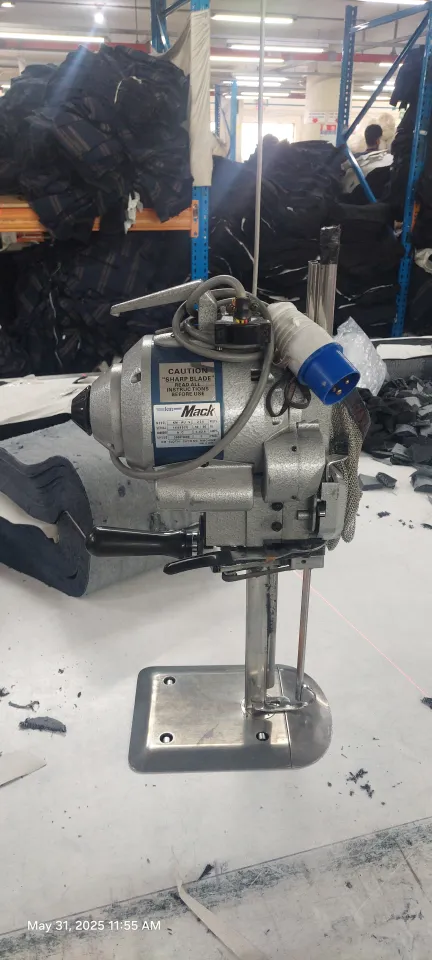
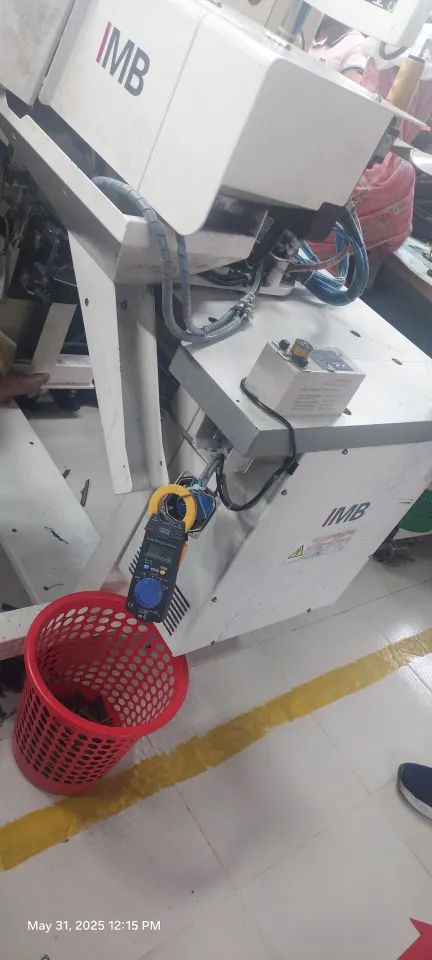
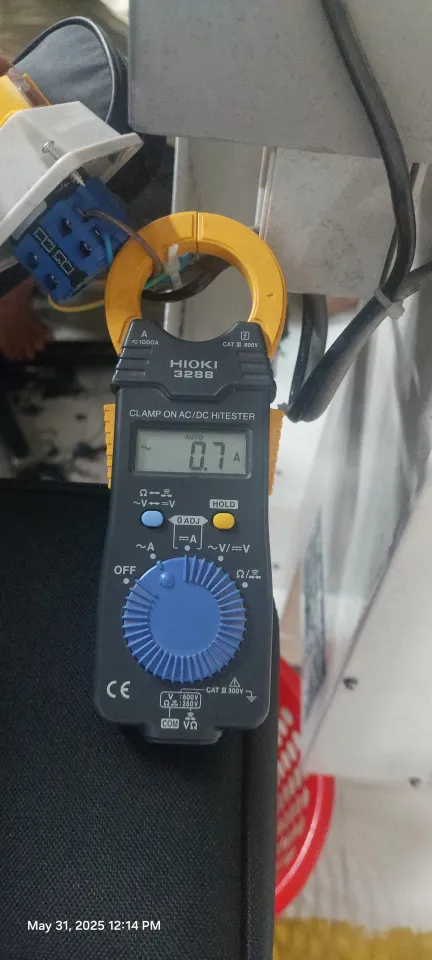
During a field visit in May 2025 our engineers measured the machines with a Hioki clamp meter, surveyed nameplates, and collected twelve months of energy and production data. We calculated specific energy consumption, used regression and CUSUM analysis to separate the effect of the new machines from changes in output, and evaluated ROI, NPV and IRR.
The result
The eligible machines use about 51% less energy than conventional equivalents, about 36 TOE a year, avoiding about 100 tonnes of CO₂ annually. Simple payback is about three years.
How the saving was verified
Nameplate ratings overstate real consumption and say nothing about how a machine is used. Our engineers measured representative machines on the floor, surveyed nameplates for the whole population, and built a baseline from twelve months of energy and production data. Regression and CUSUM analysis then separated the effect of the new machines from changes in output, which is the step lenders look for.
Why it matters
A financing application stands or falls on whether the savings can be defended. A verified figure, with the measurements behind it, gives the lender confidence and gives the factory a baseline it can use for its own reporting to buyers.
Need savings verified for financing?
We assess each financed item and report savings, payback and CO₂ reduction.
On site