- saved per year
- ≈1.47 GWh
- CO₂ avoided per year
- ≈926 t
- payback
- ≈2.7 yrs
- chiller COP vs design
- 4.5 vs 5.6
The challenge
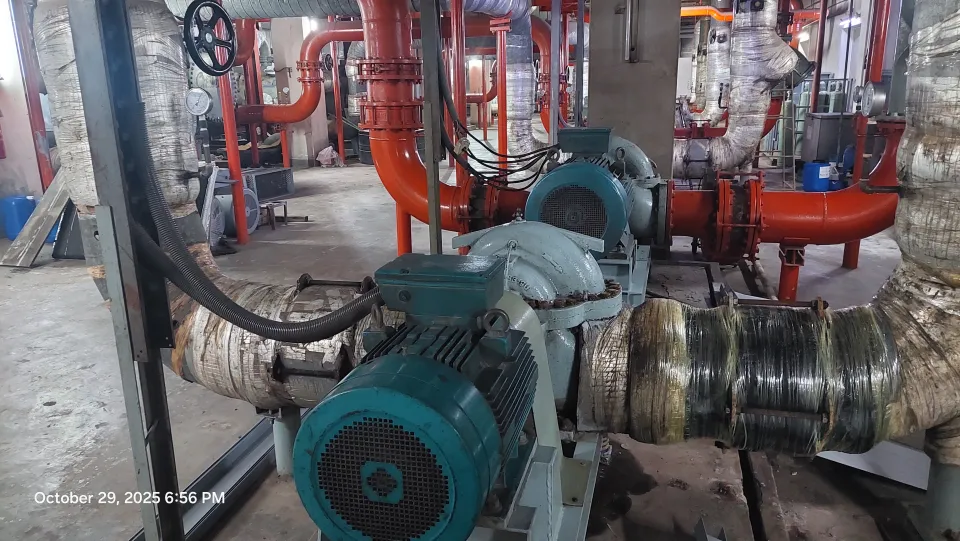
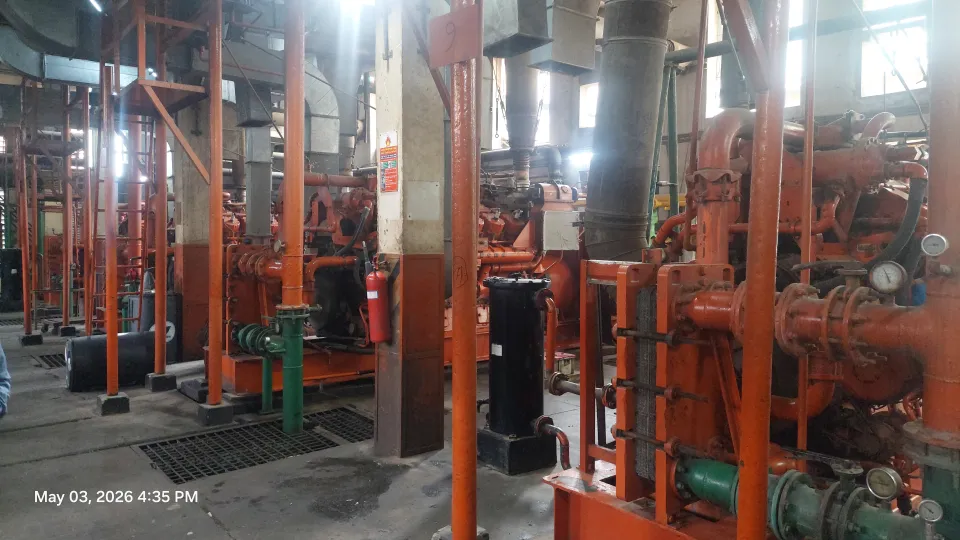
The complex uses about 31 GWh of electricity a year, almost all from the grid. Its energy use intensity of about 199 kWh/m² a year was above the 160–180 benchmark for the building type, and HVAC accounted for about 55% of consumption.
Our approach
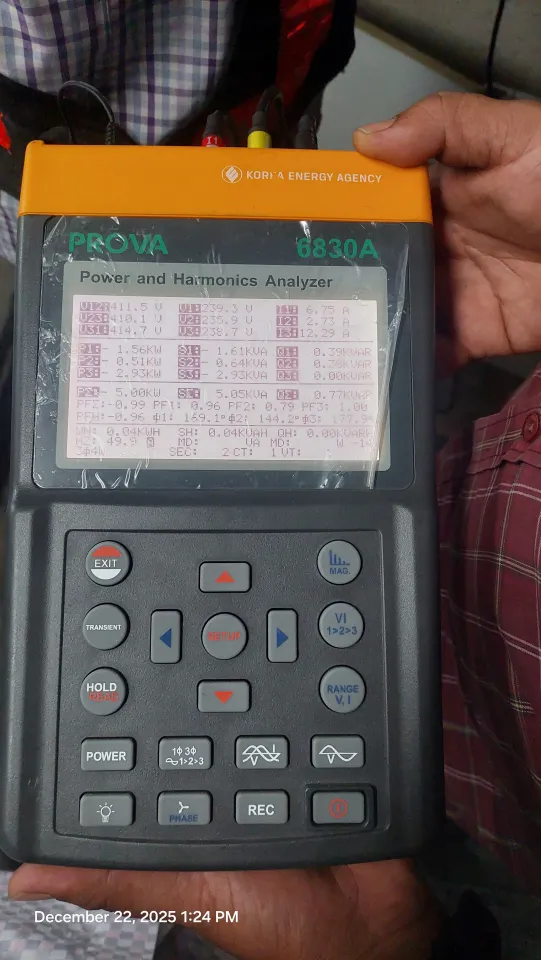
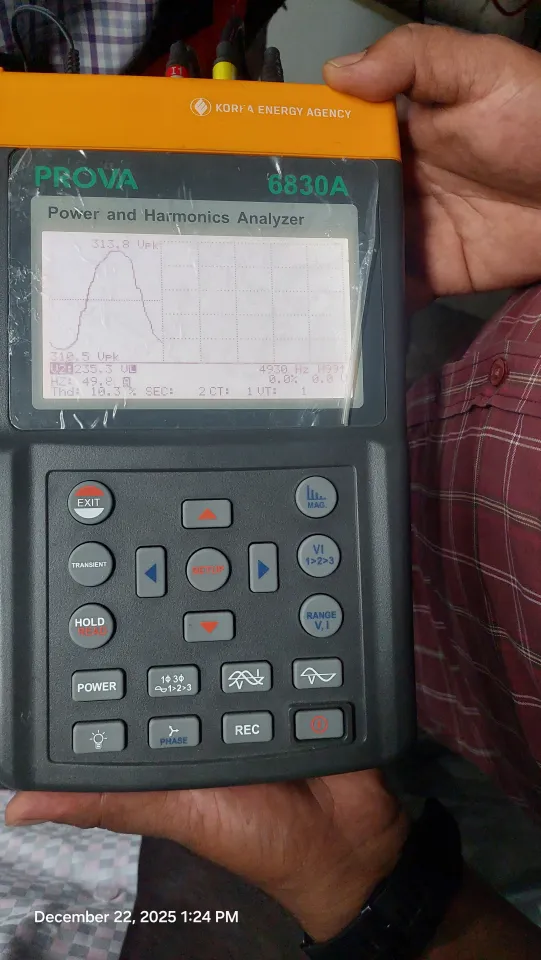
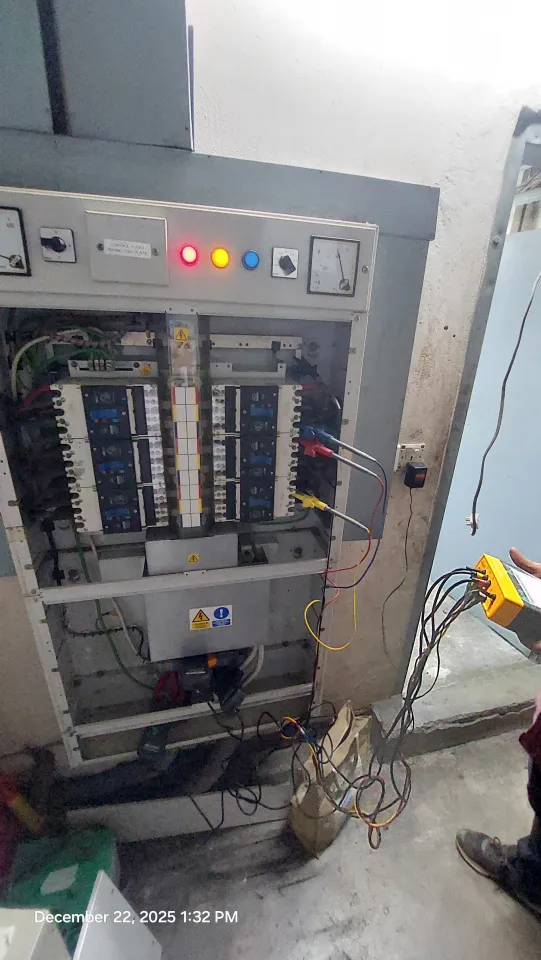
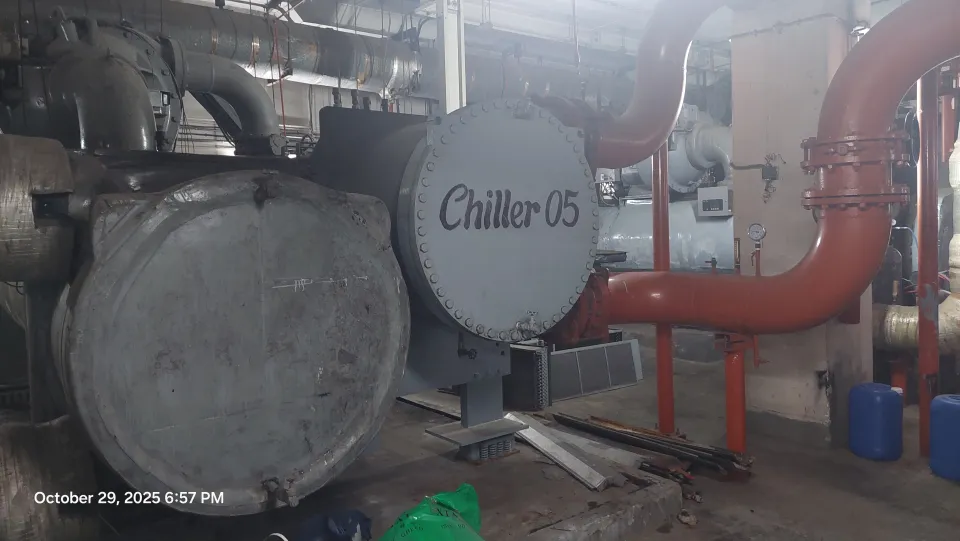
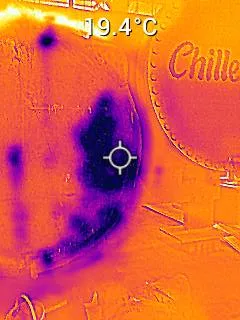
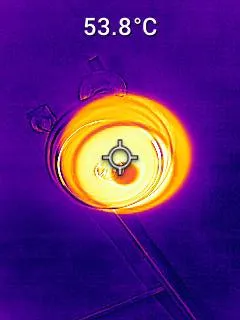
As a SREDA designated-consumer audit led by a certified auditor, we built a 2024 baseline using regression and CUSUM analysis. Field work included a heat-balance test of chiller COP, a CO₂ and airflow survey for ventilation, power-quality logging against IEEE 519 with a PROVA 6830A analyser, and a thermographic survey. A review visit followed in December 2025.
The result
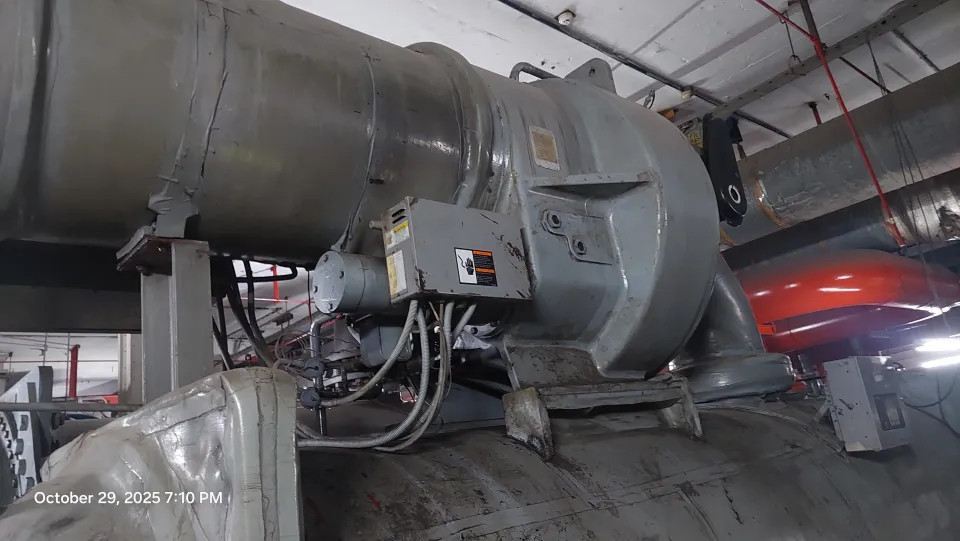
Nine measures were identified, saving about 1.47 GWh a year (about 4.7%) and about 926 tonnes of CO₂, with a payback of about 2.7 years. Chillers were running at a COP of about 4.5–4.7 against 5.6 design, and current harmonic distortion reached about 45% against a 15% limit.
Why it matters
When cooling is more than half the load, chiller performance decides the electricity bill. A chiller running at a COP of 4.5 instead of 5.6 uses roughly a quarter more electricity for the same cooling. And current harmonics at three times the recommended limit heat neutrals and transformers, shortening their life and adding losses of their own.
Where the savings are
The nine measures address chiller plant performance, ventilation matched to occupancy using CO₂ levels, and power quality. Some, such as ventilation control and scheduling, pay back much faster than the 2.7-year average, because they change how existing equipment is run instead of replacing it.
Managing a large building?
An audit of the chiller plant and main boards covers most of the load.
On site