- less energy than conventional
- ≈45%
- saved per year
- ≈236 MWh
- CO₂ avoided per year
- ≈158 t
The challenge
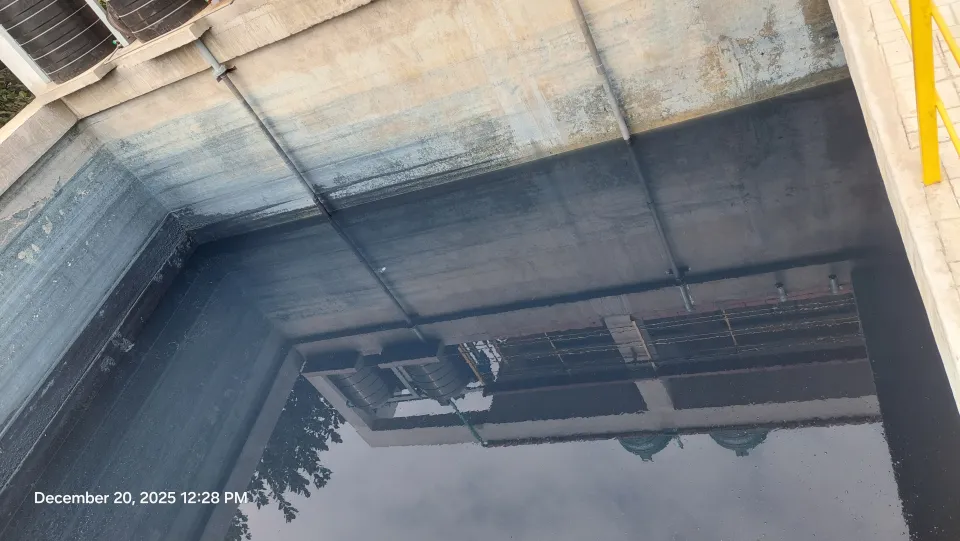
A denim washing plant had built a new 40 m³/hr activated-sludge effluent treatment plant and needed its energy savings verified against a conventional design.
Our approach
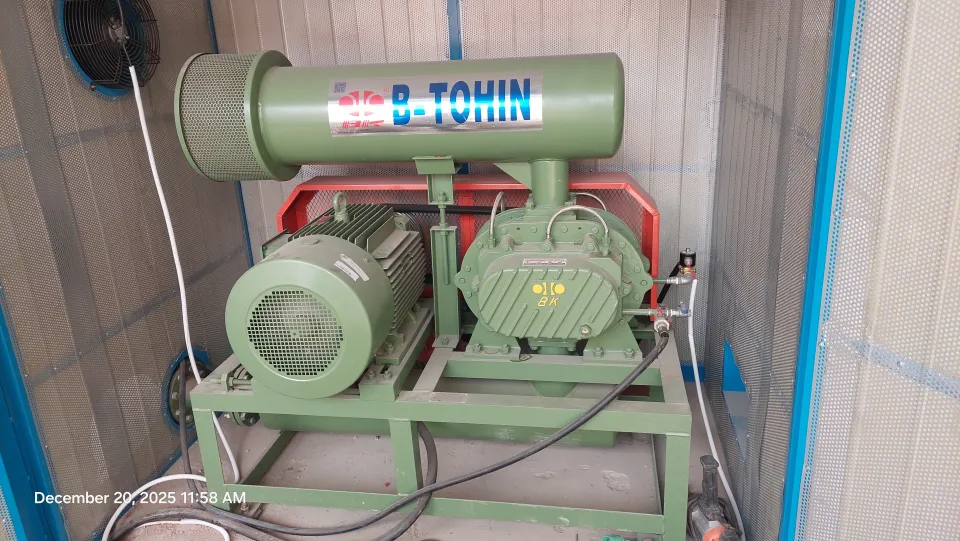
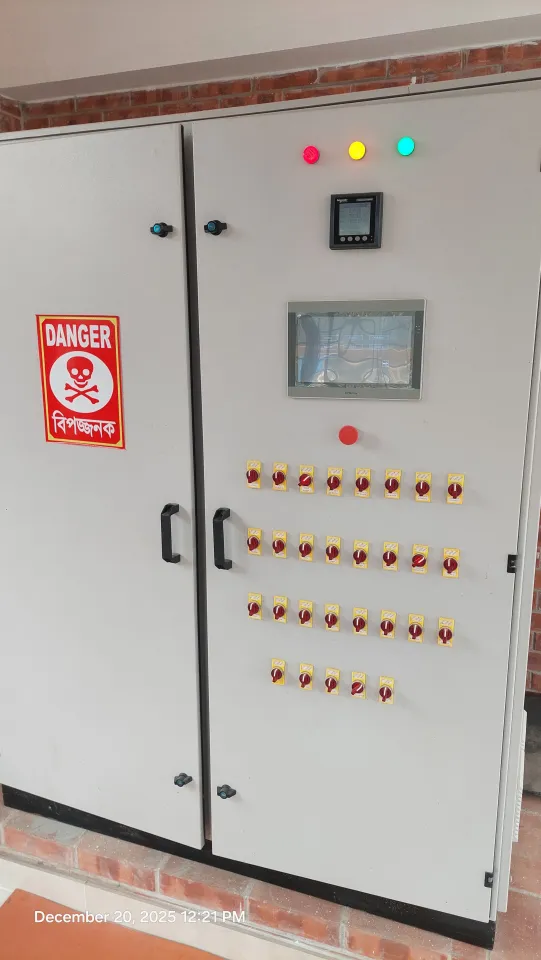
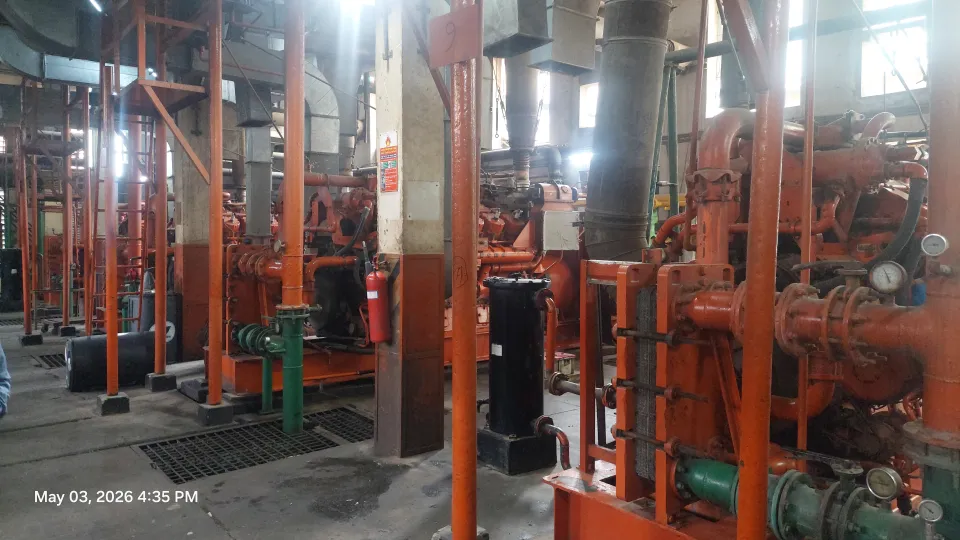
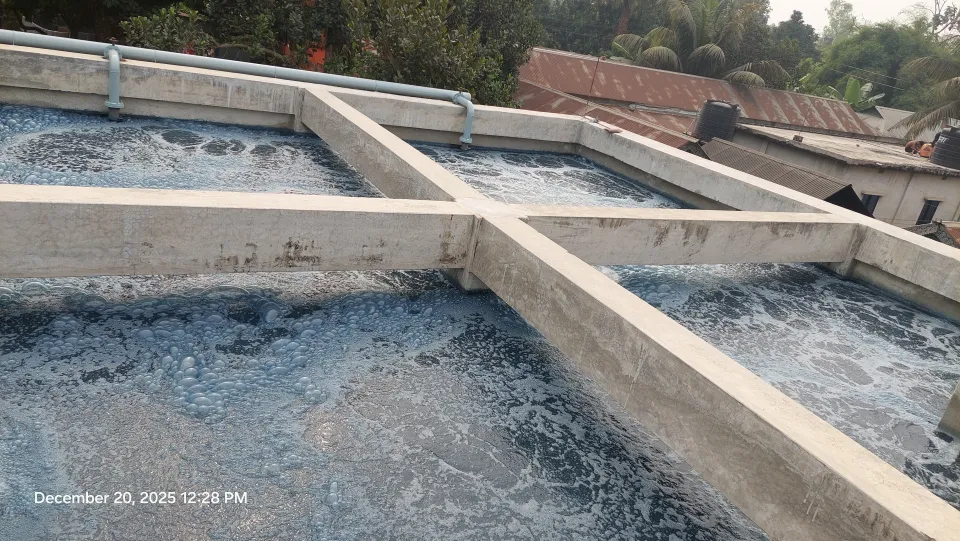
In December 2025 we measured the drives with a clamp meter and compared the installed system, with VFD-controlled roots blowers on dissolved-oxygen control, fine-bubble diffusers and IE3 motors, against a conventional baseline. NPV and IRR were calculated for the investment.
The result
The new ETP uses about 45% less energy than a conventional design, saving about 236 MWh (about 58 TOE) and about 158 tonnes of CO₂ a year.
Why it matters
In a biological effluent treatment plant, the blowers that aerate the tanks are the largest energy user. A conventional plant runs them at a fixed speed whatever the load. Controlling variable-speed blowers by the dissolved-oxygen level supplies only the air the process needs, and fine-bubble diffusers transfer more of that oxygen into the water.
What was verified
Our engineers measured the installed drives and compared the system with a conventional baseline of the same capacity, then calculated NPV and IRR for the investment. The result gave the plant a defensible figure for its financing and sustainability reporting.
On site