Large loads, captive power and process heat
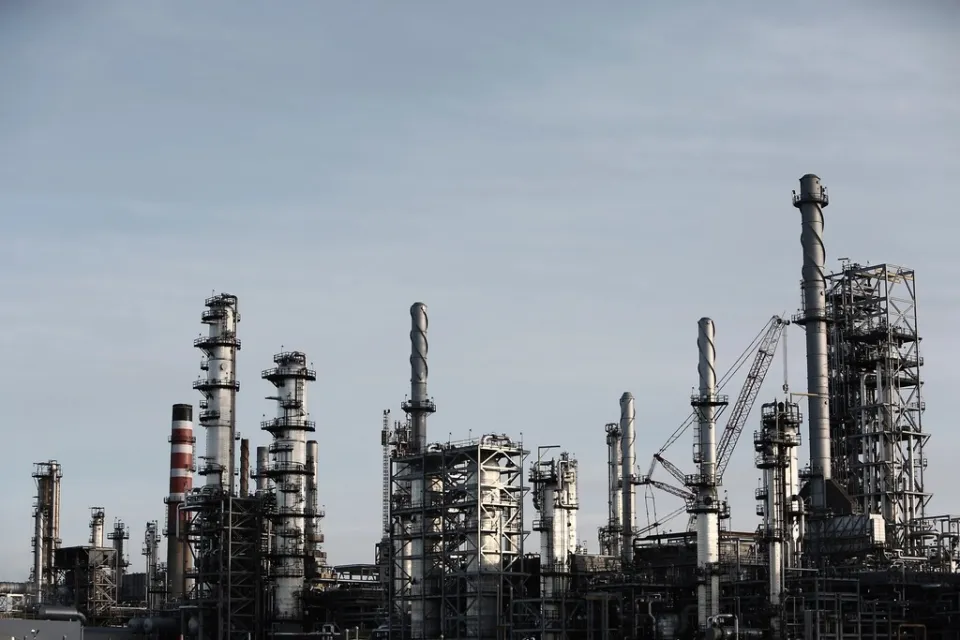
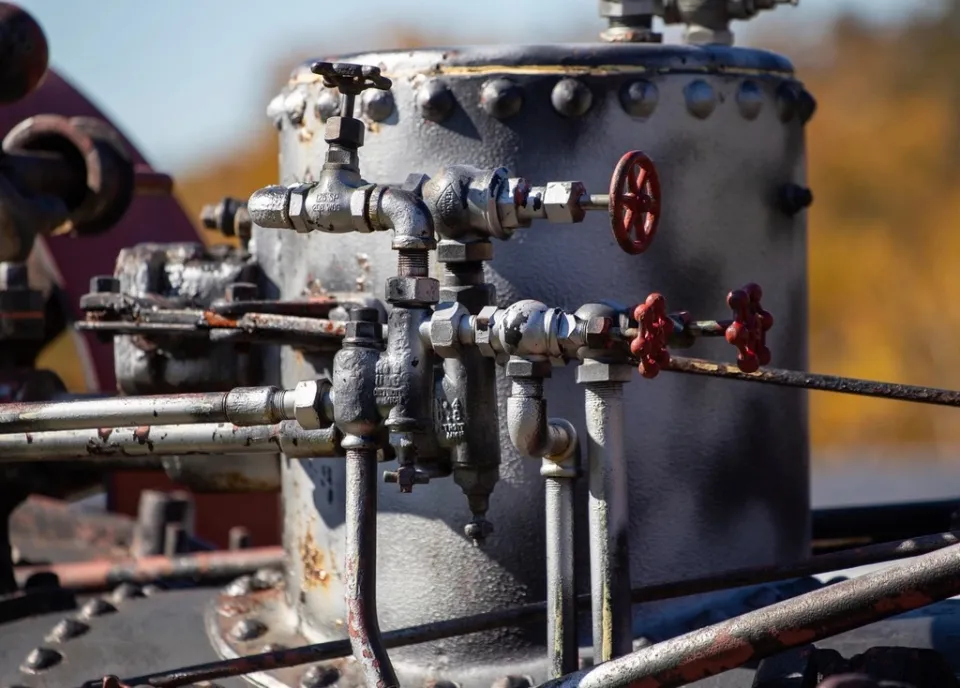
Industrial plants combine everything that makes energy and electrical work difficult: gas-engine gensets running at part load, heat recovery that may or may not be working, steam systems, harmonics from drives, and protection that has grown with every extension. Finding the losses takes measurement on live plant, by engineers who understand the process.
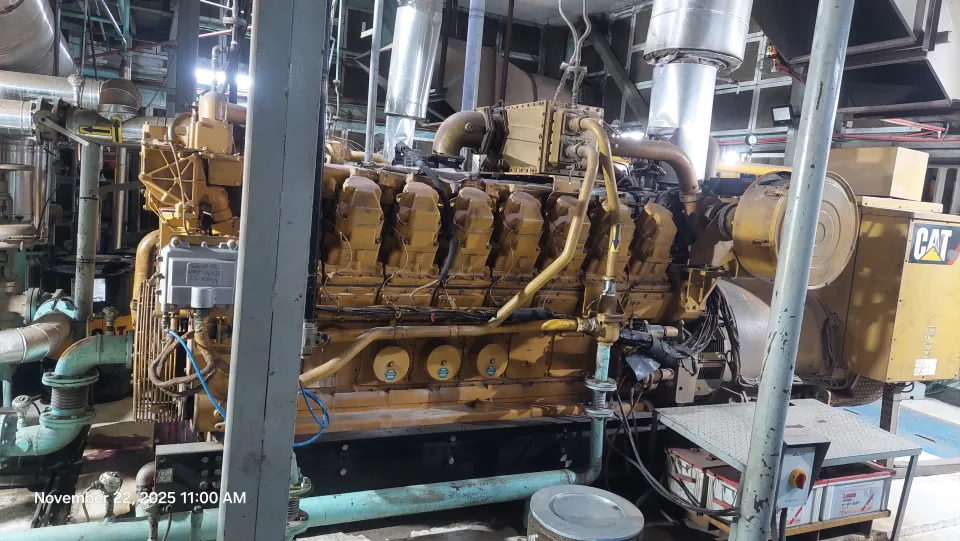
- Timed efficiency tests on gas-engine gensets, with flue-gas analysis
- Heat-recovery balances for exhaust and jacket-water systems
- Steam balance and process-utility assessments
- Efficiency assessments of new process machinery against a conventional baseline
- Gas-utility and regulator compliance audits
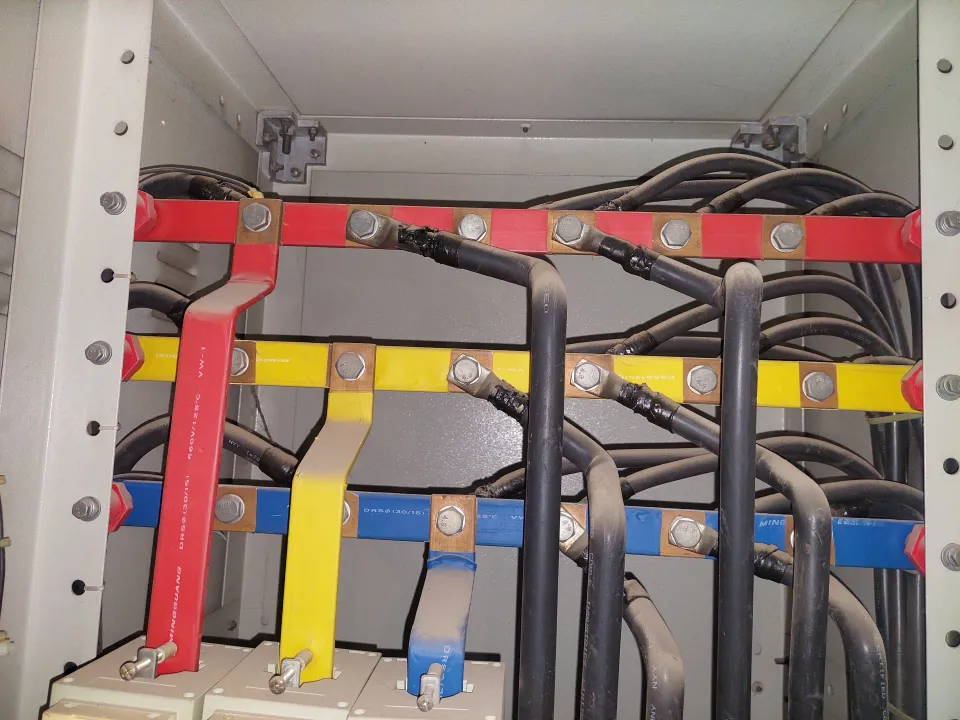
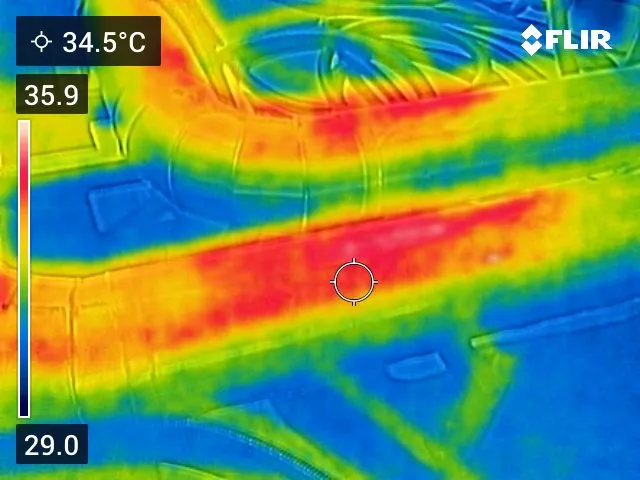
- Electrical safety assessments, thermography and earthing tests
- Distribution upgrades: new panels, boards and switchgear, installed and tested
Our record in the sector
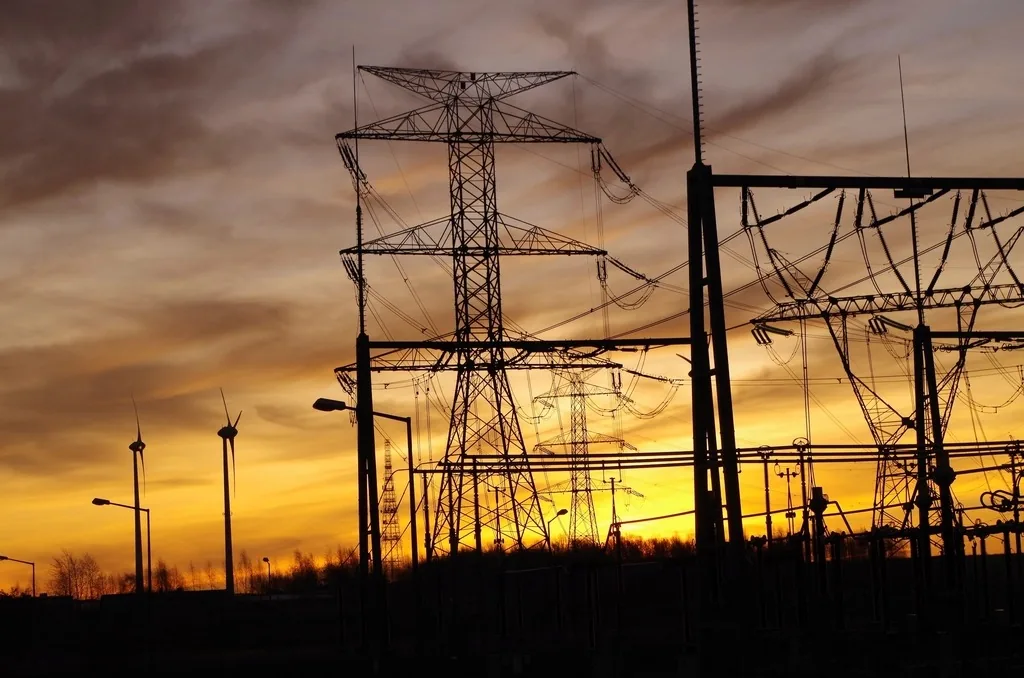
Our engineers have audited a fertiliser complex under the joint SREDA and GIZ programme, assessed captive power and cogeneration plants in the consumer-goods, textile and chemicals industries, carried out gas-utility compliance audits in Chattogram, and completed a 74-point electrical safety audit of a testing laboratory.
What we typically find
In the captive plants we have assessed, electrical efficiency was typically around 37–40%. Where exhaust and jacket-water heat was being recovered, overall fuel use rose to roughly 70–80%. Where it was not, it stayed near 35–40%, and the difference was leaving through the stack. High carbon monoxide in the exhaust is common too, and tuning combustion costs almost nothing.
Where to start
For a plant with captive power, an efficiency test on the gensets and a heat-recovery balance show within days whether the largest saving on site is being missed. For an older plant, start with an electrical safety assessment: it protects people and production before anything else is optimised.